Bitcoin May Gain as Geopolitical Tensions Fuel Debasement Fears
As geopolitical conflicts escalate, analysts suggest Bitcoin could benefit from a classic 'debasement' trade, drawing parallels to historical asset performance during periods of monetary policy uncertainty.
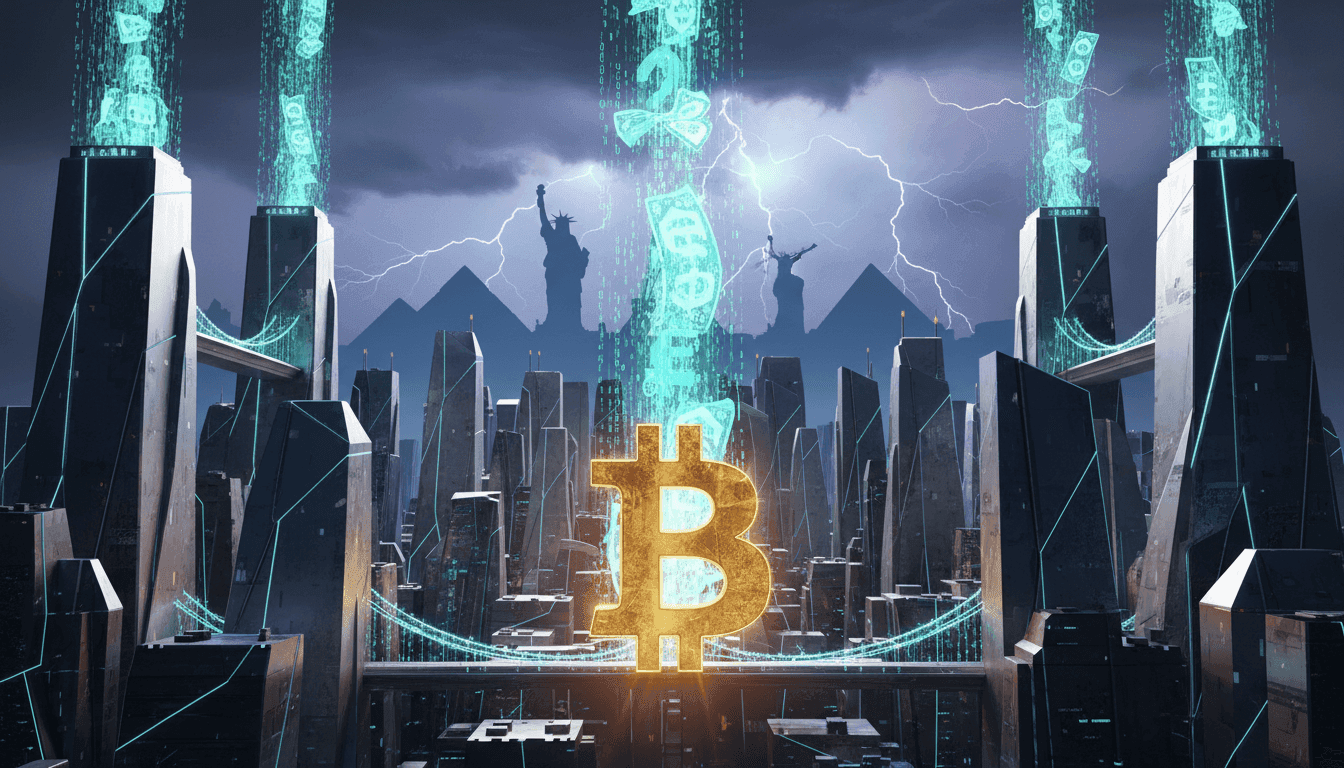
As global geopolitical tensions continue to rise, a potential shift in investor strategy is emerging. Bitcoin is being eyed as a beneficiary of what is known as the 'debasement' trade, a phenomenon historically observed when investors seek to preserve wealth against currency devaluation.
This trade typically involves a move away from fiat currencies, which can lose value due to inflation or government monetary policies, towards alternative assets. In the current climate, the ongoing conflicts are heightening concerns about the stability of traditional financial systems and the purchasing power of major fiat currencies.
Historically, periods of significant geopolitical instability and economic uncertainty have seen assets perceived as scarce or independent of central bank control gain favor. This dynamic suggests that Bitcoin, with its capped supply and decentralized nature, could be positioned as a digital store of value.
The rationale hinges on the idea that prolonged conflict and associated government spending or monetary easing could lead to a debasement of national currencies. Investors historically turn to tangible assets like gold or, in the digital age, assets like Bitcoin, to hedge against such risks.
This potential re-evaluation of Bitcoin's role comes at a time when the cryptocurrency market is closely watching macroeconomic indicators and global stability. The narrative of Bitcoin as 'digital gold' or a hedge against systemic risk gains traction when traditional systems face significant pressure.
For the broader Web3 ecosystem, this development is significant. It underscores a potential macro-economic catalyst for digital asset adoption, moving beyond speculative trading to a more fundamental role as a perceived safe-haven asset or a hedge against traditional financial instability, thereby increasing its relevance and potential mainstream acceptance.
Originally reported by CoinDesk.